



Zanzibar House of Wonders: History of the Sultan’s Palace
Stone Town has landmarks that tell the story of Zanzibar’s rich past. None has captured the imagination of visitors quite like the House of Wonders. This magnificent palace stands proudly along the waterfront. It shows centuries of exchange, political influence, and architectural ambition.
Travelers often admire its balconies and impressive columns. Then they learn that every corner of the building represents a chapter in East African history. The House of Wonders is a must-visit.
The House of Wonders offers more than beautiful architecture. It introduces you to the era of sultans. You learn about the growth of trade. You see the transformation of Zanzibar into one of the Indian Ocean’s most influential islands.
The Rise of Zanzibar as a Trading Power
Long before the palace was built, Zanzibar was a spot along the Indian Ocean trade routes. Merchants from Arabia, Persia, India, and later Europe came to the island. They exchanged goods like spices, ivory, textiles, and other valuable products.
By the 1800s, the Omani Sultanate recognized Zanzibar’s economic importance. Sultan Sayyid Said moved his capital from Muscat to Zanzibar in 1840. This made the island the political and commercial center of his empire.
This decision made Stone Town one of the ports in the region. Wealth from trade funded buildings, elegant residences, and government institutions. These still define the city’s skyline today.
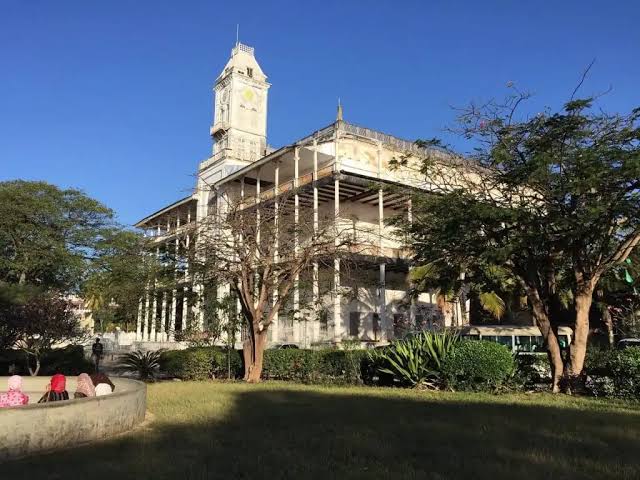
Historic House of Wonders overlooking Stone Town waterfront with elegant balconies and towering columns beautifully.
Why the House of Wonders Was Built
The House of Wonders, or Beit al-Ajaib, was completed in 1883. It was built during the reign of Sultan Barghash bin Said. This palace was designed to show modernization and prosperity.
At the time, East Africa was changing fast. International trade was expanding. European influence was increasing. New technologies were reaching the region. Sultan Barghash wanted a palace that reflected these developments. He wanted to preserve the prestige of the Zanzibar Sultanate.
The building quickly became a symbol of progress. It was one of the advanced structures in East Africa. It stood apart from every building in Stone Town.
A Palace That Earned Its Name
The nickname “House of Wonders” was not chosen randomly. Visitors were amazed by features they had rarely seen elsewhere in East Africa.
The palace was one of the buildings in the region to have electricity. It also had one of East Africa’s elevators. This was almost unimaginable for residents at the time.
Large ceremonial halls hosted receptions, diplomatic meetings, and royal celebrations. Wide verandas overlooked the harbor. This allowed members of the family to observe ships arriving from distant ports.
Its combination of innovation and elegance made the building a local sensation. The name House of Wonders became permanently attached to it.
Architectural Beauty That Blends Cultures
One of the fascinating aspects of the palace is its architecture. It combines influences from civilizations. These shaped Zanzibar’s identity.
The building features balconies supported by cast iron columns. These were imported from Europe. Large wooden doors display Arab craftsmanship. Spacious verandas help cool the interior in the climate.
British engineering methods complemented Swahili construction techniques. Decorative details borrowed from artisans add another layer of beauty.
This unique mixture perfectly reflects Zanzibar’s heritage. African, Arab, Indian, and European communities contributed to life for centuries. The House of Wonders is an example of this.
The Sultan’s Palace and Royal Life
The palace was not just for government work; it was also a big part of the royal family’s daily life. The Sultan’s court would welcome people from other countries, like diplomats and merchants, into the reception halls. They would have discussions about the future of the island in these rooms.
The Sultan’s Palace was the place where royal ceremonies were held to celebrate occasions and to make friends with neighboring kingdoms and other countries. The palace showed that the Sultan was in charge and that Zanzibar was becoming more important in the Indian Ocean.
Life in the palace was very organized. There were servants, advisors, military officers, and administrative officials who all worked together to make sure everything ran smoothly in the Sultan’s household and government.
The Sultan’s Palace had many people working together to keep everything running well.
A Witness to Historic Change
The palace has seen some big events in Zanzibar’s history.
In the 1800s, European countries started to exert pressure on Zanzibar, and the island had to sign agreements that took away some of its independence. The British came in. Made some changes to how the government worked, but the Sultan was still allowed to have some power.
The Anglo-Zanzibar War in 1896 was a big deal, and it lasted for less than an hour before the British won. The palace was still standing after all this. It was like a silent witness to all the big changes that were happening.
From Royal Palace to Public Museum
As time went on, the palace started to be used for things.
After the Zanzibar Revolution in 1964, the palace was no longer the home of the ruling Sultan. It became a museum to show people the island’s culture and history. Visitors could. See exhibits about the Swahili people, maritime trade, fishing, old photos, and artifacts from the royal family.
The palace was no longer a symbol of the Sultan’s power but a place where everyone could learn about the island’s past. The Sultan’s Palace was now a place for everyone to learn about Zanzibar’s history.
Restoration and Preservation
Old buildings like the palace need to be taken care of all the time in a place like Zanzibar, where the air is salty, and the weather is hot and humid.
People who specialize in preserving buildings have been working to keep the palace safe and protect its historic features. They want to make sure the palace stays the same while keeping visitors safe.
This is a process, and it takes a team of engineers, historians, architects, and conservation experts to protect the palace for future generations. The Sultan’s Palace needs to be preserved for the future.
Exploring the Surrounding Area
If you visit the palace, you should also check out the attractions in the area.
The Old Fort is next to the palace and has a lot of history about Zanzibar’s defenses. The Forodhani waterfront has views of the ocean, especially during sunset. You can also walk around the streets and see old wooden doors, markets, traditional homes, and ancient mosques.
Walking around Stone Town is like walking through a living museum. Every corner has something new to discover. The Sultan’s Palace is one of the many things to see in Stone Town.
Time to Visit
You can visit Stone Town any time of the year, but the dry seasons are usually the best time to walk around.
From June to October, the weather is nice and not too hot, and from December to February, it is warm and sunny. If you go in the morning, the light is soft. There are not as many people, and if you go in the late afternoon, the light is golden, and it is beautiful.
You should wear shoes, bring water, wear sunscreen, and dress modestly because Stone Town is a culturally significant place. The Sultan’s Palace and Stone Town are waiting for you to visit.
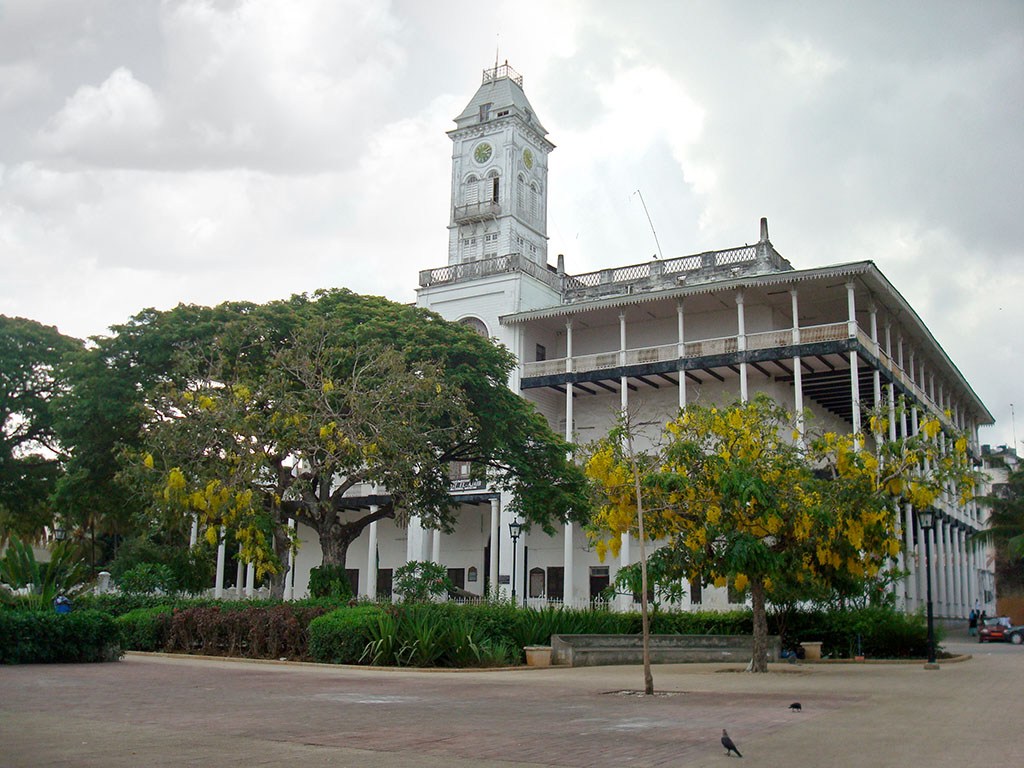
Historic House of Wonders overlooking Stone Town waterfront with elegant balconies on the exterior.
Photography Opportunities
The House of Wonders is one of the most photographed places in Zanzibar.
You can take wide-angle shots of the building from the waterfront. These shots show how big and impressive the building is and how nice its balconies look. People who like taking pictures of buildings like the columns, doors and design of the palace.
In Stone Town, the narrow streets help you take pictures of the palace and other old buildings. The light during sunrise and sunset makes the pictures look warm and deep.
If you like taking pictures of life, you can capture scenes of local fishermen, traditional boats, markets and old buildings. All these are within walking distance.
Cultural Significance Today
Even though the government has changed a lot since the palace was built, it is still very important.
The palace reminds visitors that Zanzibar has always been a place where different cultures meet. African ways mixed with customs, Indian trade, and European influences to create a special Swahili culture that you can still see today.
Schools, historians, researchers, and tourists still visit Stone Town to learn about how these cultural connections shaped African history.
The House of Wonders is a reminder that keeping our heritage alive helps future generations appreciate what people did before them.
Planning Your Visit
Walking is the way to see Stone Town because many streets are too narrow for cars. Guided tours help you understand the history and see things you might miss.
It takes at least two to three hours to explore the palace and surrounding landmarks. You can also visit a spice farm, take a traditional boat ride, or see historical places to learn more about Zanzibar’s heritage.
If you like buildings, royal history, or African culture, visiting the Zanzibar House of Wonders is an unforgettable experience. The palace inspires visitors with its design, connection to the Omani Sultanate, and role in preserving the story of an island. Every visit helps you appreciate Zanzibar more. It is a must-see for anyone visiting Stone Town.


