



Bagamoyo: Tanzania’s Slave Trade History and Coastal Ruins
Bagamoyo is a town in Tanzania where you can see a lot of history. This history is still visible in the buildings, quiet streets, and old ruins. Bagamoyo is more than a peaceful place by the sea. It has a lot of stories to tell about trade, culture, faith, and a sad time in East Africa’s past.
When you visit Bagamoyo, you can walk where traders, missionaries, explorers, and freed slaves used to walk. Every old building and path reminds you of how this place helped shape East Africa into what it’s today. You can stand in the places where these people lived and see what they saw.
The name Bagamoyo comes from a phrase that means “put your heart down”. This phrase is often linked to the experiences of slaves who were brought to the coast before being taken across the sea. Today, this phrase makes Bagamoyo a more important place to visit.
If you like history, culture, taking pictures, and having experiences, Bagamoyo is a great place to go. It is not about beaches and hotels but about understanding the people and events that shaped Tanzania’s coast.
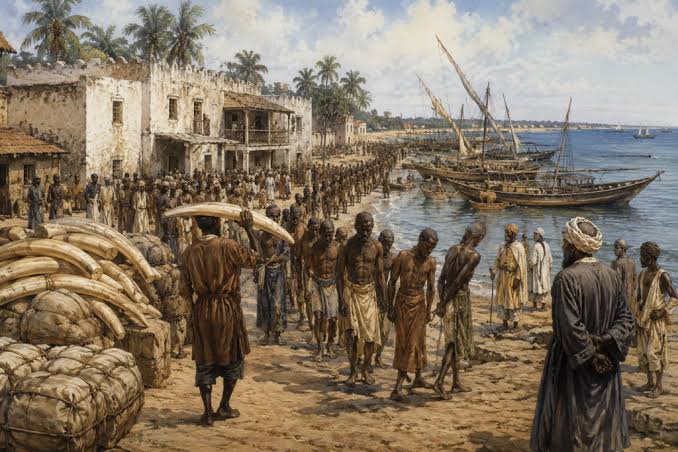
A time ago, before Europeans came, Bagamoyo was an important place for trade. It connected Africa to places like Arabia, Persia, and India. People traded things like ivory, spices, clothes, and food.
The Swahili people lived along the coast of East Africa. Their culture was shaped by all the different people who came to trade. They mixed their traditions with the traditions of the traders from other places. You can still see this mix of cultures in the buildings, language, food, music, and religions of the coast.
As time went on, Bagamoyo became a busy port. Unfortunately, this also meant that the slave trade grew, and many African families were hurt by it.
The history of slavery in East Africa is different from the slave trade in the Atlantic. It was just as sad. Slaves were taken from their homes. Marched for weeks or months to the coast. Many of them died on the way because they were hungry, sick, or tired.
When they got to Bagamoyo, they would wait before being taken across the sea to places like Zanzibar or Oman. You can still visit the sites where these things happened and feel how sad it must have been.
There were also roads that connected the inside of Africa to Bagamoyo. These roads were used by thousands of people who carried ivory and other goods. They crossed forests, rivers, and mountains. Connected many different communities.
Today we can look back. See how these trade routes shaped the economy, but also how they hurt many people. Bagamoyo is a place to visit to learn about this history. You can go to museums. See how trade affected the people and the place.
The town of Bagamoyo is a place where you can learn about the past and see how it still affects us today. Bagamoyo has a lot to offer. Bagamoyo is a place that you will not forget. The history of Bagamoyo is a history of trade, culture, and slavery, and Bagamoyo is a place where you can see all of these things.
Historic Buildings That Still Stand
One of Bagamoyo’s attractions is its collection of old buildings. Walking through the town feels like stepping into another century.
Coral stone buildings line the streets with carved doors and shaded balconies.
Some buildings show German and missionary influences, telling the town’s multicultural story.
These buildings have survived for over a century despite the sea air and tropical weather. People are still working to protect them for generations.
Visitors spend hours exploring because every building has a story about trade, religion, education, or local leaders.
Bagamoyo coastline reflects Tanzania’s rich cultural heritage and history today
The Old Fort and German Colonial Legacy
Bagamoyo was a center during German colonial rule in East Africa.
The Old Fort is a known landmark, built in the 19th century.
It was used for administration under the authorities.
Nearby government buildings show how European powers changed Bagamoyo’s landscape.
Although colonial rule brought change, it also caused hardship for communities. Visiting these sites makes you think about Tanzania’s past.
Missionaries and the First Catholic Mission
Christian missionaries played a role in Bagamoyo’s history in the 19th century.
The Holy Ghost Fathers set up one of East Africa’s Catholic missions.
They cared for freed slaves and established schools, workshops, and healthcare.
The mission was a place of hope for those who escaped slavery. Children received education, and adults learned skills.
Visitors can still see preserved mission buildings that tell stories of compassion and social change.
Museums That Bring History to Life
Visiting Bagamoyo’s museums and cultural centers makes your trip more meaningful.
Exhibits show photographs, maps, and artifacts from centuries of life.
Many museums explain the evolution of Swahili culture and Tanzania’s journey to independence.
Local guides provide perspectives that make exhibitions more engaging. Their stories help visitors understand how historical events affect present-day communities.
Coastal Ruins That Preserve Forgotten Stories
Bagamoyos preserved sites make it memorable.
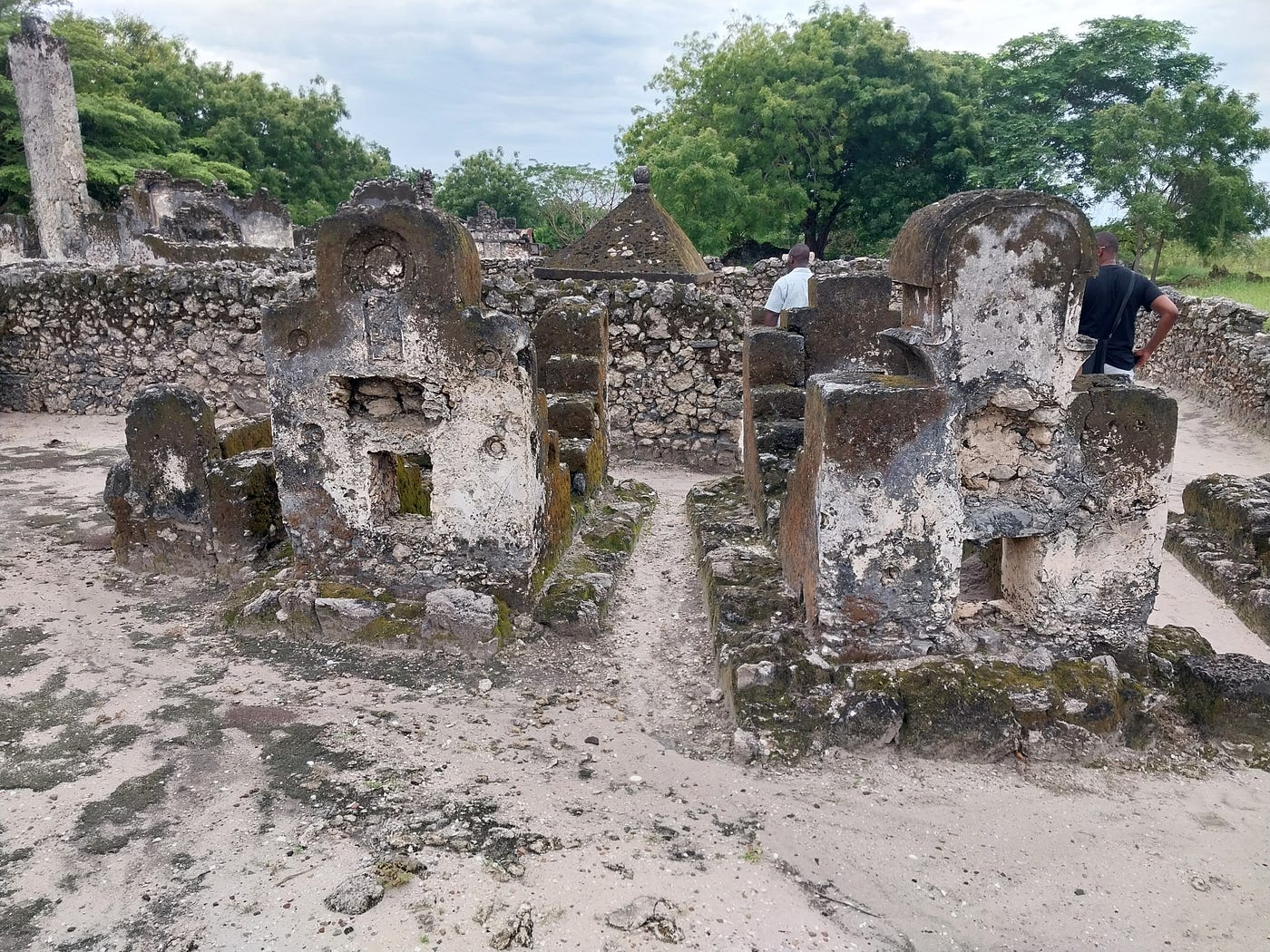
Ancient foundations, abandoned buildings, and old cemeteries reveal layers of history.
Weathered coral stones still stand despite storms.
These ruins retain an atmosphere. Visitors imagine the lives of merchants, craftsmen, and local families who once lived there.
Photographers appreciate the contrast between architecture and tropical vegetation.
The Artistic Side of Modern Bagamoyo
Bagamoyo celebrates creativity, not its historical importance.
It is one of Tanzania’s leading centers for performing arts, music, dance, and sculpture.
Artists preserve traditions and introduce contemporary African expressions.
Cultural institutions support performers and craftsmen, preserving Swahili heritage.
Visitors see woodcarvers creating sculptures, musicians performing rhythms, and artists displaying colorful paintings.
Beautiful Beaches Beyond the History
After exploring museums and landmarks, visitors relax along Bagamoyo’s coastline.
The atmosphere is peaceful with fishing boats drifting and palm trees providing shade.
Sunrise and sunset create scenery.
Local fishermen continue traditions passed down through generations.
The beaches remind visitors that Bagamoyo is not frozen in history. It is a living community where families build their future while honoring their past.
Local Culture and Swahili Hospitality
Meeting residents is a part of visiting Bagamoyo.
The town is welcoming, with Swahili cuisine and local markets.
Fresh seafood, coconut rice, and tropical fruits reflect exchange.
Many residents share family stories that add meaning to historical landmarks.
Respectful cultural tourism supports businesses and preserves Bagamoyo’s unique identity.
Ancient Bagamoyo mission buildings preserve Tanzania’s coastal history beside towering palm trees overlooking the ocean
Practical Tips for Visiting
Planning helps visitors enjoy an experience. Hiring a guide provides valuable historical context.
Comfortable walking shoes are recommended.
Late afternoon offers cooler temperatures and softer lighting for photography.
Visitors should dress respectfully when entering sites and ask permission before photographing local people.
A Place That Leaves an Impression
Some destinations entertain for a day, but Bagamoyo stays with you.
Every preserved ruin, restored mission, and museum exhibit tells part of a story.
Visitors leave with an understanding of East African history and local communities.
Bagamoyo reminds every visitor that understanding history’s essential for building a more compassionate future. Those who explore Bagamoyo discover lessons about courage, remembrance, and hope.


